


Dialectical Behavior Therapy (DBT)
in Durham, NC
DBT can help you build skills for managing intense emotions, navigating relationships, and responding to difficult moments with greater flexibility.
You may be here because…

Your emotions are too intense


Of instability and loneliness in your relationships
You want to feel better, but your problems keep getting worse
What Can DBT Help With?

You may find yourself…
Having a lot of trouble controlling your emotions and actions
Experiencing emotions much more intensely than others appear to
Doing things, without thinking, that get you into trouble
Unable to restrain impulsive behavior
Holding onto emotions for much longer than others seem to
Unable to organize or achieve goals because your moods get in the way
Having grown up in an environment that told you were weird, wrong or too much
Getting triggered by work, adult relationships or insensitive people
Struggling to communicate what you need in relationships
DBT offers concrete skills and a framework to practicing new responses
What Is DBT?
The overall goal of DBT is to learn how to change your own emotions, thoughts and behaviors that are linked to the problems you are facing. DBT teaches 4 core sets of skills:
Mindfulness
Learn to be more present rather than getting pulled into the past or future. Notice your thoughts and emotions without automatically reacting to them. Respond with greater intention, awareness, and compassion.

Emotion Regulation
Having strong emotions can make it harder to understand what you’re feeling and why. Learn how to really listen to your emotions, respond to them more effectively, and develop ways for you to feel better for the long-run.
Distress Tolerance
Become able to function in high emotions. Get through difficult moments without making things harder for yourself later. Stay grounded, no matter what life throws at you.
Interpersonal Effectiveness
Develop more meaningful and satisfying relationships by learning how to communicate, set boundaries, ask for things and say no. Be loving in your relationships without giving up your own needs.

Why is it called Dialectical Behavior Therapy?
The central idea behind “Dialectics” is to hold two seemingly opposing truths at once. If we can find a balance between the two, we can find a middle path that lets us move forward. However, if we can only accept one truth, or if we see-saw between two extremes, we can remain stuck. Here are some examples of Dialectics:
You can be mad at someone AND still love and respect them
You can be independent AND let others help you
You can accept yourself as you are AND be committed to change.
What is a DBT Session Like?
DBT may seem intimidating, especially if you've heard that rigid, has a lot of homework, or is only for severe mental illness. Understanding what happens therapy feel much less daunting.
What You Do
Explore situations and patterns that you’re struggling with
Learn DBT skills
Track situations, emotions, urges, responses and consequences
Experiment with trying skills in your daily life, not just in therapy
Reflect on what worked and what didn’t
What Your Therapist Does
Help you identify patterns without judgement
Coach you on DBT skills in a way that’s personalized to your needs
Help you apply skills to situations that actually matter in your life
Balance validation with gentle challenge
DBT is not just a series of techniques or worksheets.
The foundation is a warm, validating and supportive therapeutic relationship.
What if DBT isn't right for me?
While research has shown DBT to be effective for a broad range of issues, no single therapy is right for everyone. Our therapists take the time to understand your history, needs, goals, and what you're experiencing now before deciding how to approach your work together.
We also recognize that therapy isn't always a straight line. You may benefit from DBT, from another therapeutic approach, or from a combination of modalities. DBT skills can be incorporated into therapy, rather than only used as a standalone treatment . You and your therapist can adjust the pace, structure, and approach of therapy as your needs evolve.
Our goal isn't to fit you into a particular therapy. It's to find the approach that best supports you. And if you've had a difficult or unhelpful experience with therapy in the past, you don't have to assume that it means therapy can't work for you. We can start where you are and work together to find a way forward.

Tamarasa Therapy’s Approach to DBT
Expertise gives therapy its foundation. Collaboration makes it responsive. Compassion makes it human.
Grounded in Evidence
DBT is an effective treatment for a variety of emotional issues because it gives practical skills for improving thoughts, emotions, behaviors and relationship.
Collaborative by Design
We don’t practice in isolation. We regularly consult with our colleagues and participate in supervision. This gives our clinicians opportunities to think deeply about their work, learn from one another, and remain accountable to high standards of care.
Responsive to You
Warmth and validation are core components to DBT, along side skills and accountability. We provide individualized treatment, rather than one-size-fits all. Therapy is paced around your needs and goals, not the other way around
Meet our DBT Therapists
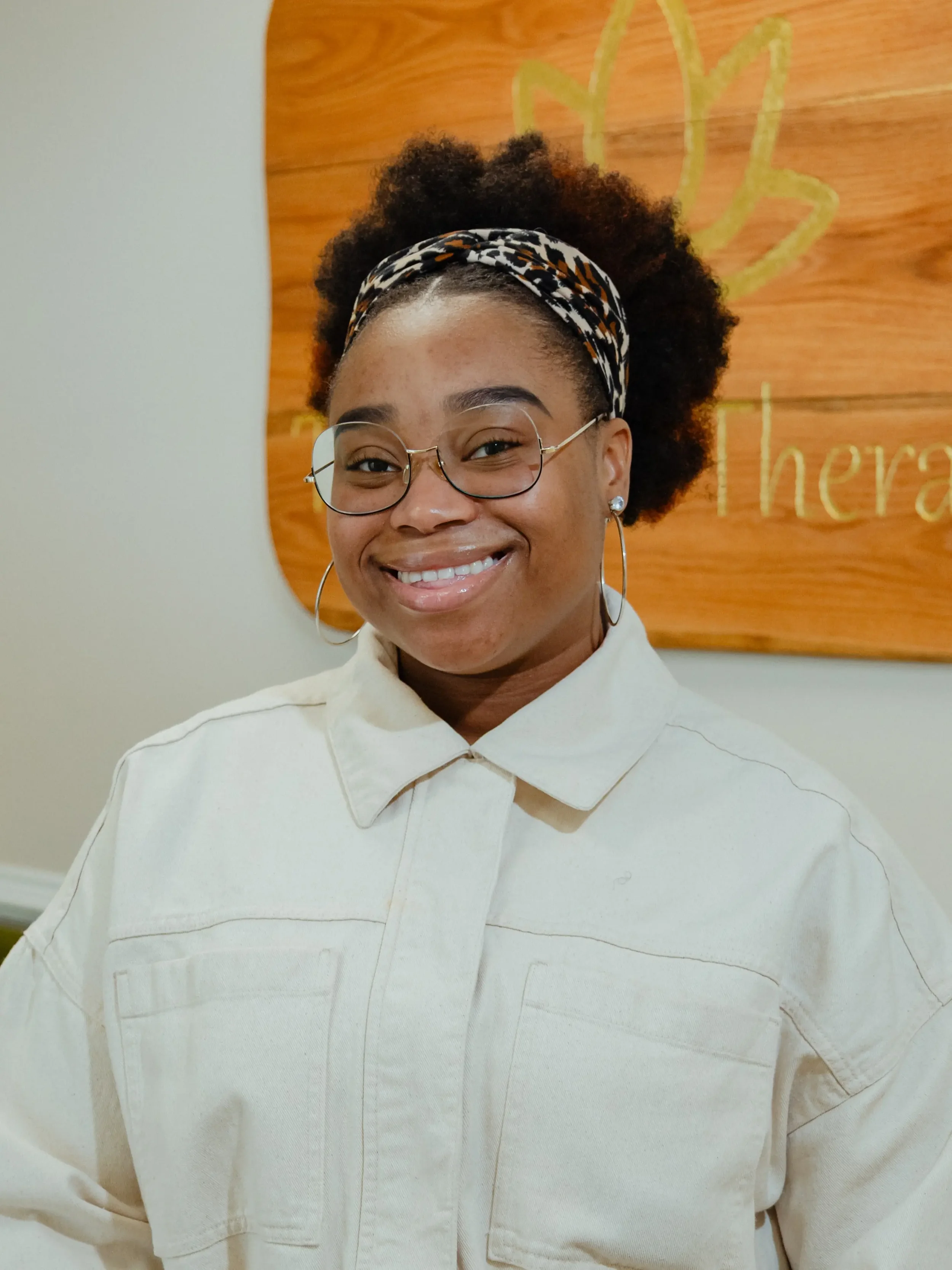
Our therapists bring different specialties, personalities, and perspectives to their work. Explore their profiles to learn more about their approach and find someone who feels like the right person to begin with.



Common Questions About DBT

-
Cognitive Behavioral Therapy (CBT) has long been the gold-standard for evidence-based therapy, and focuses on the interactions between thoughts, feelings, and behaviors.
Dialectical Behavior Therapy (DBT) was developed in the 1980s, and combines behavioral science research with Zen practices.
-
More than anything, we want to make sure the therapist is someone you feel safe being open, honest and vulnerable with. Having a consultation call is a great way to see if the therapist is the one you want to work with.
-
Yes and no.
Yes, practicing skills in-between sessions is generally a core component to standard DBT.
No, you don’t have to do it. All participation in therapy is completely voluntary.
DBT homework isn’t forced on you. We encourage it because when you implement what you learn in therapy, progress tends to faster and longer lasting.
What homework can look like in DBT:
Tracking things like: your emotions, habits you’re working on changing, and what made things better or worse
Brief assignments that help you effectively navigate challenging situations in your daily life
Worksheets that help you break down strong emotions or difficult conversations to bring more clarity
Handouts that give you ideas for what to do when you’re experiencing an emotional crisis
-
DBT may be helpful if you’re experiencing intense or overwhelming emotions that feel difficult to manage or are affecting your daily life, relationships, or overall well-being. It can also be helpful if you want to develop practical skills for navigating difficult emotions, stressful situations, or relationship challenges.
If you’re not sure what kind of therapy or approach would be the best fit, you don’t have to figure that out on your own. Click Get Started to connect with us, and we can help you explore your options and find a therapist and approach that fit your needs.
-
Yes.
While comprehensive DBT involves a weekly group and coaching calls in addition to one-on-one therapy, our DBT-trained therapists can teach or review DBT skills in individual sessions.
The Therapy Process: What to Expect
Starting therapy is a big step. Here’s what you can expect as you begin your work with us.

Schedule your free consultation
Reach out to us to share what you’re looking for. Click the “Get Started” button to take the first step to getting support

Meet with your therapist
Talk about what’s bringing you to therapy, what you’ve been experiencing, and what you hope to change

Create a plan together
Your therapist will work with you to find an approach tailored to your needs, goals and pace.

Begin your work
Build insight, develop skills and create meaningful change with ongoing support
Not sure where to start?
You don't have to know which therapy is right for you before reaching out. These approaches can be helpful for different concerns, and your therapist can help you figure out where to begin.
| If you're looking to... | You might explore... |
|---|---|
| Understand internal patterns and feel more whole | IFS |
| Process and recover from traumatic experiences | EMDR |
| Change patterns in your thoughts and behaviors | CBT |
| Reconnect with your body and feel more grounded | Somatic Therapy |
| Build skills for navigating intense emotions | DBT |


Ready to Explore What’s Possible with DBT?
You don't have to know exactly what you need before reaching out. We're here to help you find a therapist and approach that feel right for where you are.
You don't need to have the perfect words.
You don't need to know exactly where to start.
You only need to take the next step.
Schedule a free consultation today.
How to Get Started
Ready to meet with a therapist?
Click the button below to Schedule an Appointment or Free 20 Minute Consultation online
Do you have any questions or need help finding a therapist?
Fill out the contact form below. We will respond within 24 hours.
We are conveniently located at
6 Consultant Pl. Ste 100B, Durham, NC 27707
In-person visits by appointment only.